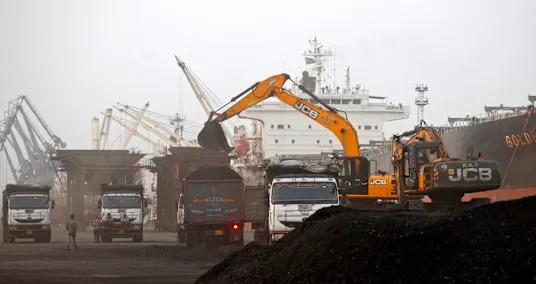
India’s much-delayed 2035 climate plan underestimates the country’s clean energy potential and allows for an acceleration of emissions growth, according to analysts. The plan aims to reduce the emissions intensity of its GDP by 47% from 2005 levels and increase the share of its electricity capacity from nonfossil sources to 60% by 2035.
The reduced carbon intensity target would, however, still allow India’s carbon emissions to increase by 70% over the next decade if GDP grows at a target rate of 7% per year, Lauri Myllyvirta of the Centre for Research on Energy and Clean Air told Semafor. That would translate to emissions growth of 5.5% per year, above the average rate of 3.5% over the past decade.
India is also on track to achieve its clean power capacity target well ahead of time: Its Central Electricity Authority projects that nearly 70% of power capacity will come from nonfossil sources by 2035-36.
“India’s booming clean energy industry is highly likely to deliver much faster progress than policymakers were prepared to commit to,” Myllyvirta said. Disruptions to oil and gas flows caused by the Iran war and the competitiveness of clean energy could strengthen the case for accelerating renewable deployment.
LATEST POSTS
- 1
 Step by step instructions to Pick the Ideal Authorize Internet Advertising Degree Program
 - 2Ancient meditation practices find new life in modern religious communities across America
- 3Vote In favor of Your Favored Sort Of Dress
- 4ICAS calls for clearer safeguards in FRC’s TCA policy
- 5Etymological Investigation Disclosed: A Survey of \Dominating New Tongues\ Language Learning Application





- The Following Huge Thing: 5 Progressive Tech New businesses
- Watch the Geminid meteor shower peak tonight from the comfort of home with this free livestream
- Find the Abilities Required for Advanced Advertising Position
- How to track NASA’s Artemis II and Orion’s journey to the moon
- Christopher Nolan's 'The Odyssey' trailer: See Anne Hathaway, Matt Damon and Tom Holland in 1st look at movie
- PFAS in pregnant women’s drinking water puts their babies at higher risk, study finds
- Eat Well, Live Well: An Extensive Manual for Smart dieting and Sustenance
- How did birds survive while dinosaurs went extinct?
- Tech Patterns: Contraptions That Will Shape What's in store